
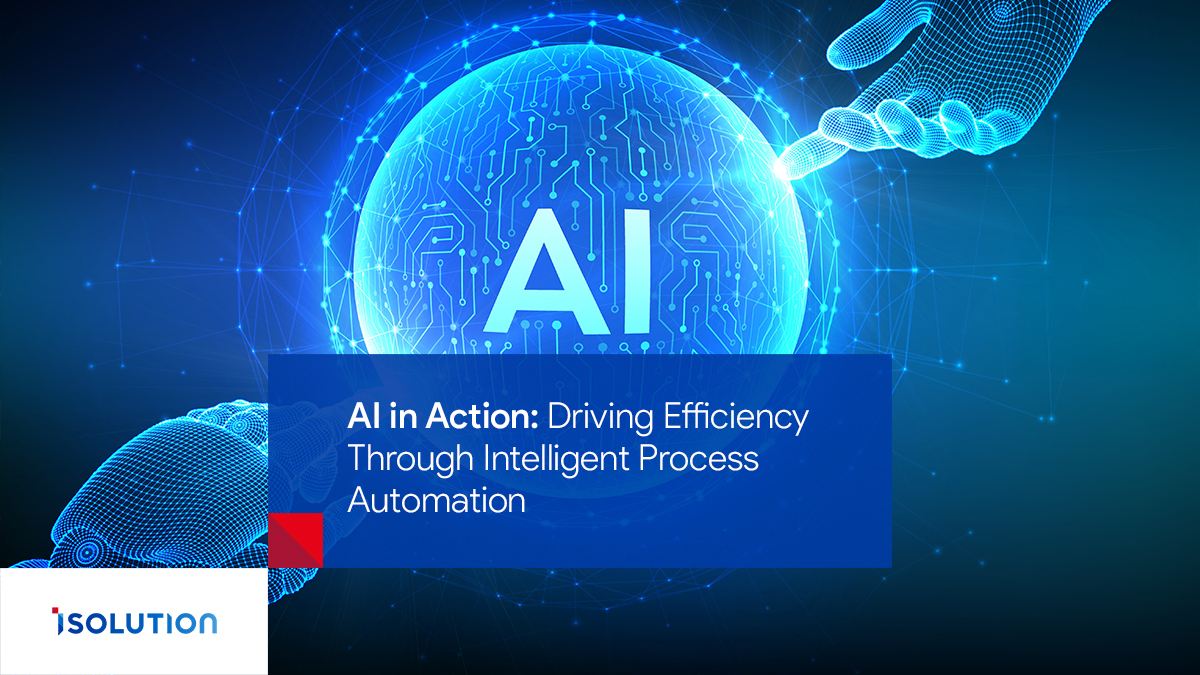
In the modern business landscape, organizations are under constant pressure to deliver faster, smarter, and more cost-effective operations. Manual workflows, repetitive tasks, and fragmented processes not only slow down productivity but also leave room for human error and inefficiency. This is where AI-Driven Process Automation (AIPA) comes into play, revolutionizing the way businesses operate.
AI-Driven Process Automation combines the power of artificial intelligence with automation technologies to streamline complex business processes. Unlike traditional automation, which executes predefined tasks, AI-driven solutions can learn, adapt, and make decisions, enabling organizations to optimize workflows, improve accuracy, and achieve unprecedented levels of efficiency.
Key Benefits of AI-Driven Process Automation
- Enhanced Efficiency:
By automating repetitive tasks, AI reduces the time and effort required for routine operations, freeing employees to focus on higher-value activities. - Improved Accuracy and Compliance:
AI algorithms minimize human errors, ensure consistent execution of tasks, and support compliance with regulatory requirements by maintaining detailed logs and audits. - Data-Driven Insights:
AI-driven automation can analyze large volumes of data in real-time, uncovering patterns and actionable insights that drive smarter decision-making. - Scalability and Flexibility:
Organizations can scale operations without adding proportional resources, adapting quickly to changing business demands. - Cost Optimization:
Automation reduces operational costs by streamlining processes, reducing errors, and optimizing resource allocation.
Applications Across Industries
AI-Driven Process Automation is not limited to one sector. Its applications span multiple industries:
- Finance: Automating invoice processing, fraud detection, and risk assessment.
- Healthcare: Streamlining patient intake, claims processing, and predictive diagnostics.
- Manufacturing: Enhancing supply chain efficiency, predictive maintenance, and quality control.
- Customer Service: Automating responses, ticketing, and customer insights analysis.
By embedding intelligence into workflows, organizations are not only improving efficiency but also creating more responsive, proactive, and personalized experiences for employees and customers alike.
The Road Ahead
The future of business automation is intelligent, adaptive, and autonomous. AI-Driven Process Automation represents a strategic lever for organizations to achieve digital transformation, drive innovation, and maintain a competitive edge. Companies that embrace this technology today are poised to unlock operational excellence, faster decision-making, and sustainable growth.
Reference:
Davenport, T., & Ronanki, R. (2018). Artificial Intelligence for the Real World. Harvard Business Review. https://hbr.org/2018/01/artificial-intelligence-for-the-real-world






Leave a Comment